Stop, then shoot
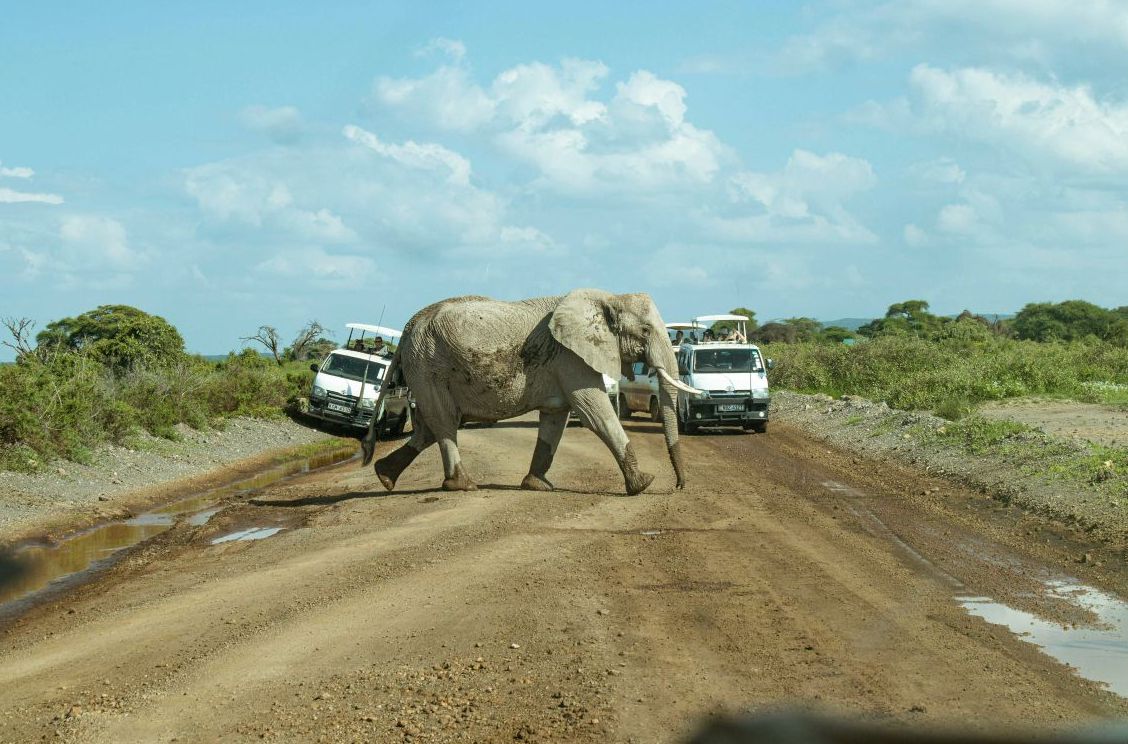
When an elephant walks towards the road, the driver stops well short of its path and turns the engine off. The vehicle goes quiet, the frame stops shaking, and the animal decides how close it comes. Nobody stands, nobody calls out, and the long lens stays on the bean bag until the vehicle is still.
Give it the road
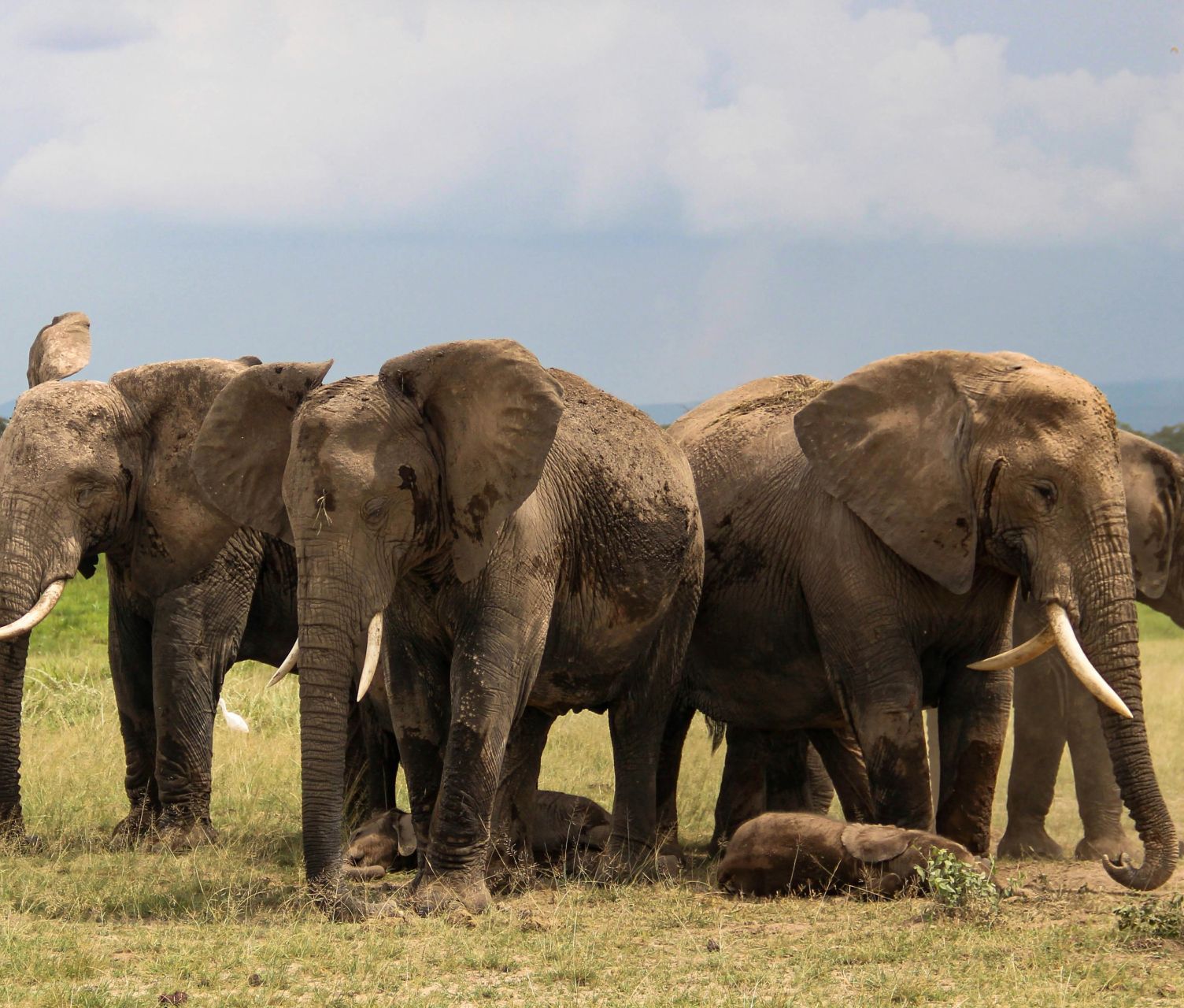
An elephant that wants to cross gets the road. We wait until the whole family is across before we move, even when the light is going. A sighting that ends on the animal’s terms is usually the one with the best pictures in it: ears relaxed, trunk down, walking rather than watching us.
Work from the sill
With the engine off, rest the lens on the bean bag and shoot from the sill rather than through the roof hatch, so you are closer to eye level. Keep the shutter quiet if your camera allows it and talk in a low voice. The mentor in your vehicle will tell you when it is time to go.